
In the rapidly evolving landscape of modern football, a fundamental debate regarding the future of the sport’s most prestigious club competition has been brought to the forefront. Dani Olmo’s recent public critique of the 2026 UEFA Champions League framework has sparked a profound, industry-wide conversation about competitive balance, player welfare, and the philosophical direction of European football. While initial social media reactions framed his comments through a lens of controversy and sensationalism, a closer examination reveals a measured and deeply structural critique from a player operating at the highest level of the game.
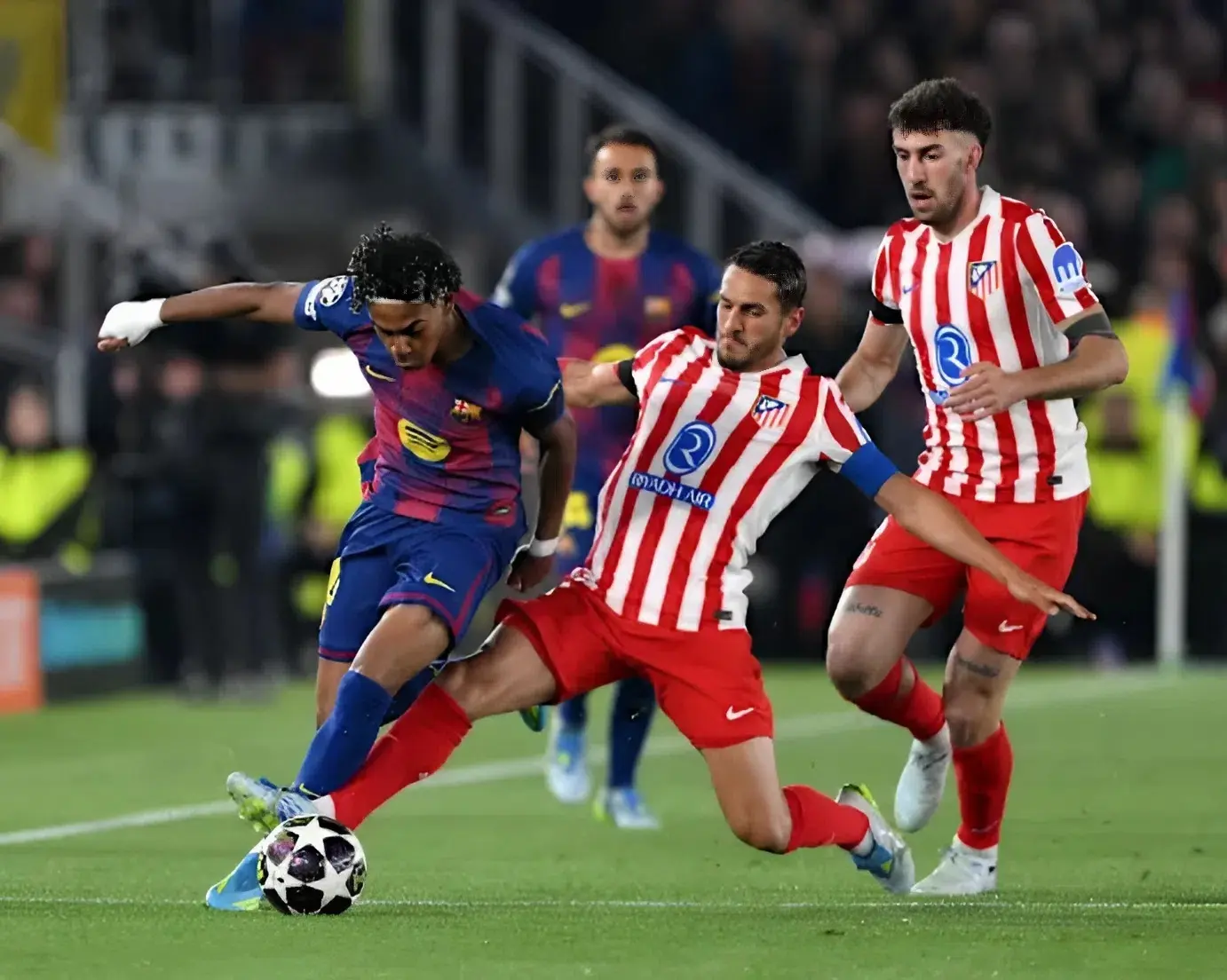
Olmo’s assertion that the tournament risks losing its core values is not an isolated outburst, but rather the articulation of a growing sentiment among professionals who navigate the demanding realities of the contemporary football calendar.
The context of Olmo’s remarks is intrinsically linked to the structural overhaul the Champions League underwent at the start of the 2024-2025 season. The transition from the traditional group stage to the expanded “Swiss model” league phase was designed to deliver more high-profile matchups early in the competition and provide broader access to clubs from emerging leagues. However, as the 2026 season progresses, the practical implications of this expanded format have become a subject of intense scrutiny. Players are now required to participate in a significantly higher number of matches before even reaching the knockout phases.
For elite athletes like Olmo, who also bear the responsibilities of domestic league campaigns, domestic cups, and international duties, this expansion translates to a relentless cycle of physical exertion, travel, and limited recovery time. His comments bring to light the physical limitations of even the most conditioned athletes, suggesting that the pursuit of a broader, more lucrative tournament may inadvertently dilute the quality of the matches themselves.
The rapidity of the response from the UEFA Vice President, which occurred mere minutes after Olmo’s statements gained traction, underscores the governing body’s acute awareness of these underlying tensions. In a carefully worded official communication, UEFA sought to balance an acknowledgment of player concerns with a robust defense of the current format. The Vice President emphasized that the structural changes were implemented following years of consultation with various stakeholders, including clubs, national associations, and broadcasting partners.
The primary objective, according to the administration, was to democratize the competition, ensuring a fairer distribution of financial resources across the European football pyramid while simultaneously satisfying the global audience’s appetite for competitive, high-stakes encounters. UEFA maintains that the transitional pains of adapting to the new system are necessary steps toward a more sustainable and inclusive future for the sport.
Despite UEFA’s assurances, the dialogue initiated by Olmo touches upon a critical intersection between sporting merit and commercial expansion. The modern Champions League is not merely a sporting event; it is an economic powerhouse that dictates the financial health of numerous participating clubs. The increase in the number of matches naturally correlates with an increase in broadcasting and matchday revenues. However, Olmo’s critique invites us to consider whether this economic growth is coming at the expense of the tournament’s foundational integrity.
When the schedule becomes so congested that top-tier teams are forced to rotate heavily, fielding weakened starting lineups in what should be premier European fixtures, the intrinsic value of the competition is arguably compromised. The prestige of the Champions League has historically been built on the premise of the absolute best playing the absolute best at their physical peak. If fatigue and injury prevention become the primary tactical considerations for managers, the spectacle inevitably suffers.
Furthermore, the expansion has complex implications for competitive fairness. While the Swiss model theoretically offers smaller clubs more opportunities to test themselves against European giants, the reality of fixture congestion often disproportionately affects teams with less financial muscle. Elite clubs possess the financial resources to assemble deep, multi-million-euro squads capable of absorbing the physical toll of a grueling schedule. In contrast, teams with more modest budgets cannot sustain the same level of performance when forced to play high-intensity matches every three days.
Consequently, rather than leveling the playing field, there is a legitimate concern that the expanded format may exacerbate the existing inequalities within European football, heavily favoring a small oligarchy of incredibly wealthy clubs. Olmo’s reflection on the “core values” of the tournament speaks directly to this anxiety—the fear that the Champions League is transitioning from a meritocratic sporting contest into a war of attrition won by the deepest pockets.
The involvement of player unions, particularly FIFPRO, adds another layer of complexity to this ongoing debate. For years, player representatives have been sounding the alarm regarding the unsustainable nature of the global football calendar. Olmo’s comments serve as a high-profile validation of the data and reports published by these organizations, which highlight alarming trends in player fatigue, mental exhaustion, and the increased frequency of severe muscular and joint injuries. The physical demands placed on players in the 2026 season are unprecedented. The modern game is faster, more tactically demanding, and requires a higher volume of high-intensity sprints than ever before.
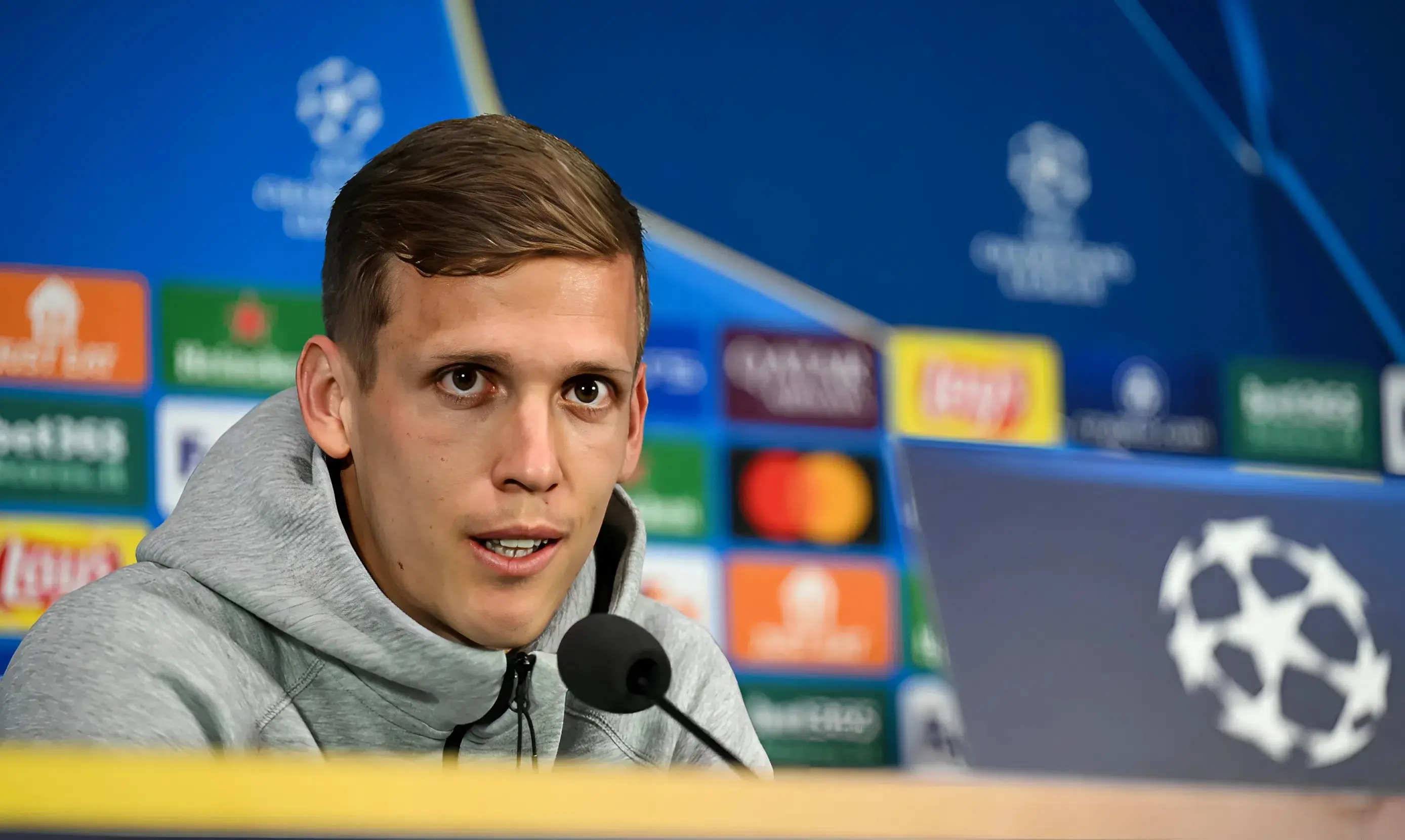
When this physical evolution is coupled with a saturated fixture list, the breaking point for players draws dangerously close. The dialogue between UEFA and the players must therefore transcend mere scheduling adjustments and address the fundamental human element of the sport.
Looking beyond the immediate reactions, it is crucial to analyze how this situation might influence the future governance of European football. The swift response from the UEFA hierarchy indicates a willingness to engage, but it also reflects a defensive posture designed to protect a highly lucrative commercial product. The challenge for UEFA in the coming years will be to navigate these competing interests. On one side is the undeniable commercial success of the expanded tournament and the financial stability it provides to a wider array of clubs.
On the other side is the growing chorus of players, managers, and medical professionals advocating for a reduction in the sheer volume of matches to protect the athletes and preserve the tactical quality of the game. Finding a sustainable equilibrium will require compromises that neither side may find entirely palatable.
Moreover, the fans’ perspective remains a pivotal, yet often overlooked, component of this discourse. While broadcasters and administrators focus on engagement metrics and viewership figures, match-going fans and purists of the game have expressed their own reservations about the diluted nature of the group phases. Dead-rubber matches, where qualification has already been secured or eliminated, have become an unfortunate byproduct of the mathematical complexities inherent in the league phase system. The anticipation and dramatic tension that historically characterized the Champions League group stages risk being replaced by a drawn-out mathematical exercise.
Olmo’s assertion that “this is no longer the Champions League we once knew” resonates deeply with a demographic of supporters who long for the straightforward, high-jeopardy nature of previous iterations.
Ultimately, the situation surrounding Dani Olmo’s statements and UEFA’s subsequent response is indicative of a sport at a critical crossroads. The narrative should not be reduced to a simplistic battle between a disgruntled player and an out-of-touch institution. Instead, it must be viewed as a necessary, albeit uncomfortable, phase of introspection for European football. The sport is grappling with the consequences of its own immense popularity and financial success.
The core values that Olmo references—fairness, peak athletic performance, and undeniable sporting jeopardy—are not incompatible with a modern, commercially successful tournament, but aligning them requires a more nuanced approach to scheduling, revenue distribution, and player welfare.
As the 2026 Champions League campaign continues to unfold, the true impact of this dialogue will become clearer. Will it lead to tangible reforms in the international match calendar, or will it be absorbed as minor friction in the unstoppable machinery of football’s commercial expansion? The answer to that question will likely define the trajectory of the sport for the next decade. For now, the focus must remain on fostering constructive, evidence-based discussions between all stakeholders.
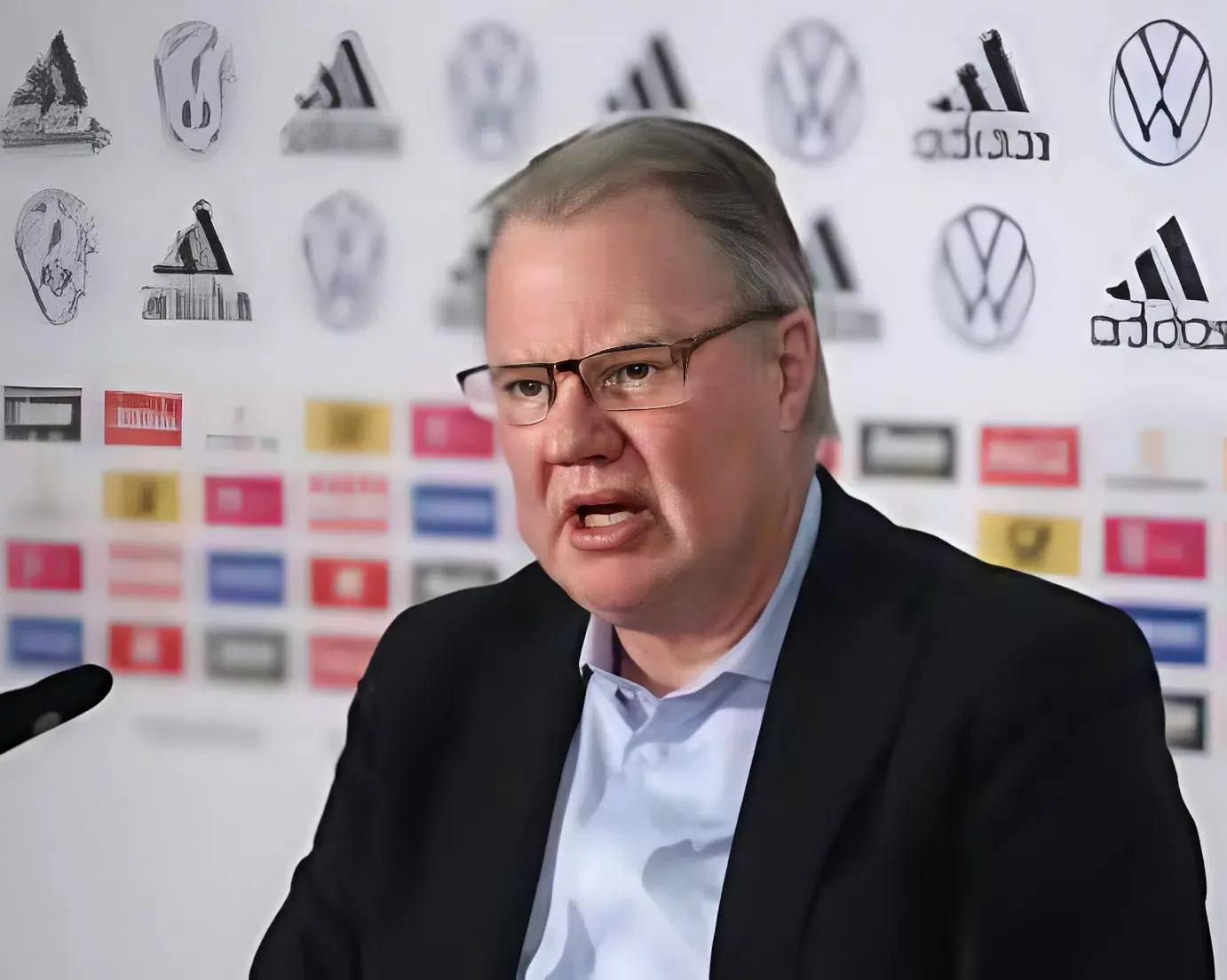
Ensuring the long-term health of the Champions League requires moving past reactive statements and acknowledging that the preservation of football’s soul is entirely dependent on the physical and mental well-being of the players who provide its magic. The beautiful game demands nothing less than a sustainable environment where its brightest talents can perform without the looming shadow of exhaustion.