
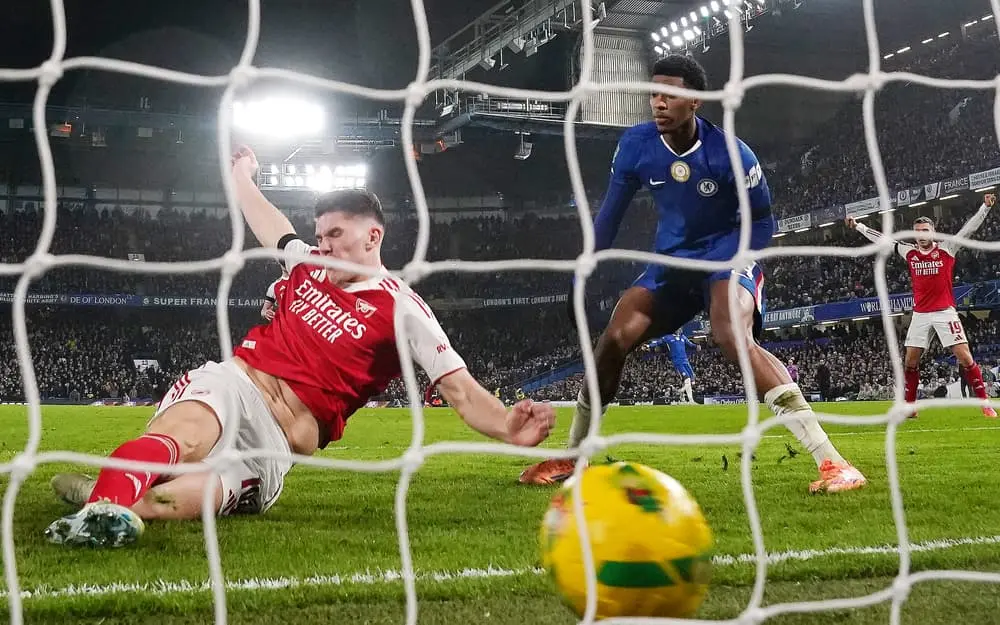
The football world was left stunned after a dramatic night that followed the defeat to Arsenal, a match that may be remembered less for the scoreline and more for what happened afterward. Cameras captured an emotional Liam Rosenior, visibly shaken, as frustration poured down from the stands. Chants questioning his future echoed around the stadium, creating a scene that felt like the end of a chapter rather than just another league loss.
According to multiple observers, Rosenior’s post-match demeanor reflected the immense pressure surrounding the club. Managing at the highest level means living on a knife’s edge, where results dictate narratives overnight. The defeat to Arsenal intensified an already tense atmosphere, transforming tactical criticism into personal scrutiny. For a coach still building his project, that moment symbolized the brutal reality of modern football management.
Reports quickly spread that Rosenior had addressed players and staff with raw honesty, expressing how deeply the situation affected him. While emotions are rarely shown so openly in elite football, those close to the dressing room suggested this vulnerability strengthened his bond with the squad. Players, often accused of disconnecting from struggling managers, reportedly responded with respect rather than doubt.

The reaction from the stands, however, told a different story. Sections of supporters openly questioned whether Rosenior was the right man to lead the club forward. In today’s results-driven culture, patience has become a luxury. A single defeat against a top side like Arsenal can be enough to accelerate conversations about replacements, interim solutions, and “new directions.”
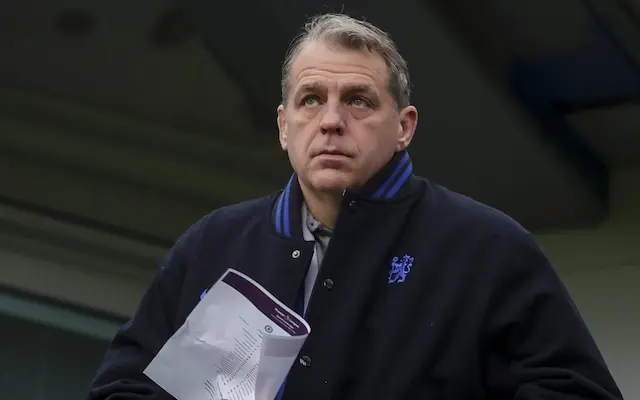
Just as speculation reached its peak, an unexpected development changed the entire narrative. Within minutes of the final whistle, CEO Todd Boehly reportedly stepped forward with a message that stunned fans, pundits, and even insiders. Rather than distancing himself from the coach, Boehly offered public backing, reframing the defeat as part of a longer journey rather than a final verdict.
This intervention sent shockwaves through the football world. Boehly is known for bold decisions and decisive leadership, but his timing surprised even seasoned analysts. Publicly supporting a coach at such a fragile moment is a calculated risk. It can either stabilize a project or tie leadership to a failing plan. In this case, the message was clear: Rosenior was not alone.
From a strategic perspective, Boehly’s move shifted the power dynamics instantly. Calls for dismissal lost momentum, at least temporarily, and media narratives softened. Instead of focusing on “who’s next,” discussions turned to “what’s the plan.” That subtle change bought Rosenior something more valuable than sympathy: time.
The secret behind Boehly’s confidence, according to sources close to the club, lies far from the match result itself. Internal performance data reportedly tells a different story from the league table. Training intensity, player development metrics, and tactical progression indicators suggest improvement beneath the surface. These elements rarely satisfy fans in the short term, but executives often prioritize them.
Another key factor is squad alignment. Rosenior is said to have strong backing from several influential players who believe in his methods. In elite football, losing the dressing room is often the real trigger for managerial change. Insiders claim that threshold has not been crossed, a detail that heavily influenced Boehly’s decision to speak out.
There is also a financial dimension rarely discussed publicly. Sacking a coach mid-project can disrupt long-term recruitment plans and inflate costs dramatically. Boehly’s broader vision reportedly emphasizes structural stability over reactive decisions. Supporting Rosenior now may protect a larger strategy built around youth development, tactical identity, and controlled spending.
Critics argue that emotional moments should not override cold analysis. They point to results, league position, and missed opportunities as evidence that change is necessary. Supporters of Rosenior counter that constant upheaval has damaged clubs far more than short-term patience ever could. This debate sits at the heart of modern football governance.
What made this episode resonate globally was its human element. A coach asking for one more chance, a CEO stepping in at the most volatile moment, and a fanbase split between frustration and hope created a narrative far bigger than one match. Football, at its core, thrives on these emotional crossroads.
Behind closed doors, the message is reportedly clear: Rosenior has a defined window to translate underlying progress into results. Boehly’s support is strong, but not unconditional. Targets, benchmarks, and timelines are said to be firmly in place. This was not blind loyalty; it was structured belief backed by internal evidence.
In the end, the real secret is not about tears or shock statements. It is about trust in a long-term vision at a time when instant success dominates expectations. Whether this gamble pays off will define both Rosenior’s career and Boehly’s leadership legacy. For now, one moment of belief has rewritten the immediate future of the club.
asv ds s s s s s s sds s