
Oliver Solberg Steals the Spotlight as Hyundai and Toyota Show Major WRC Progress
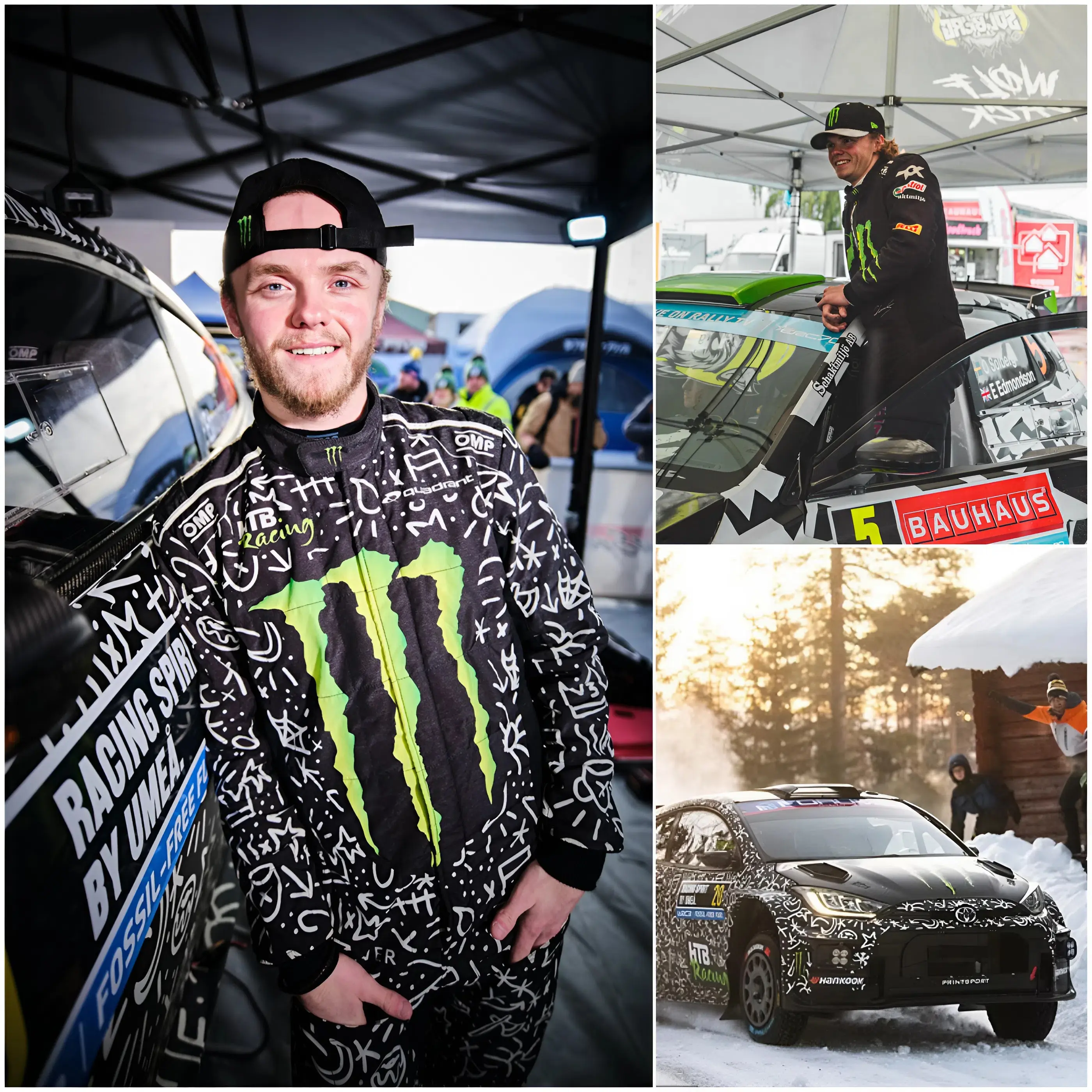
The world of rally racing is buzzing with anticipation after recent testing sessions that showcased both Hyundai and Toyota making remarkable breakthroughs in performance. Engineers and drivers alike have been pushing the limits, refining aerodynamics, suspension setups, and engine calibrations in preparation for what promises to be an electrifying 2026 season. Both manufacturers demonstrated substantial progress, with Hyundai impressing with its balance and handling across mixed surfaces, while Toyota’s relentless focus on acceleration and tire performance left fans and analysts nodding in approval.
Yet, despite the technical triumphs and innovative tweaks from these global automotive giants, the narrative swiftly pivoted to an unexpected hero: Oliver Solberg.
Solberg’s performance during the test sessions was nothing short of sensational. While the WRC technical teams were closely monitoring the advancements from Hyundai and Toyota, Solberg’s driving exhibited a raw, almost uncanny adaptability to varying track conditions. It became immediately clear that his presence in the upcoming season could redefine expectations and challenge even the most meticulously engineered vehicles. Analysts noted that his instinctive lines through corners, coupled with precise throttle control, highlighted not just talent but a level of racecraft that is rare, even among seasoned WRC veterans.
The surprise factor surrounding Solberg is compounded by the timing. As Hyundai and Toyota unveiled improvements that many predicted would dominate headlines, Solberg quietly executed laps that seemed to outpace expectations. Engineers, once focused entirely on vehicle data and telemetry, found themselves captivated by the skill and intuition Solberg brought to the wheel. This shift in focus has already sparked discussions across rally forums and social media platforms, with fans speculating about potential podium finishes and historic victories in 2026.
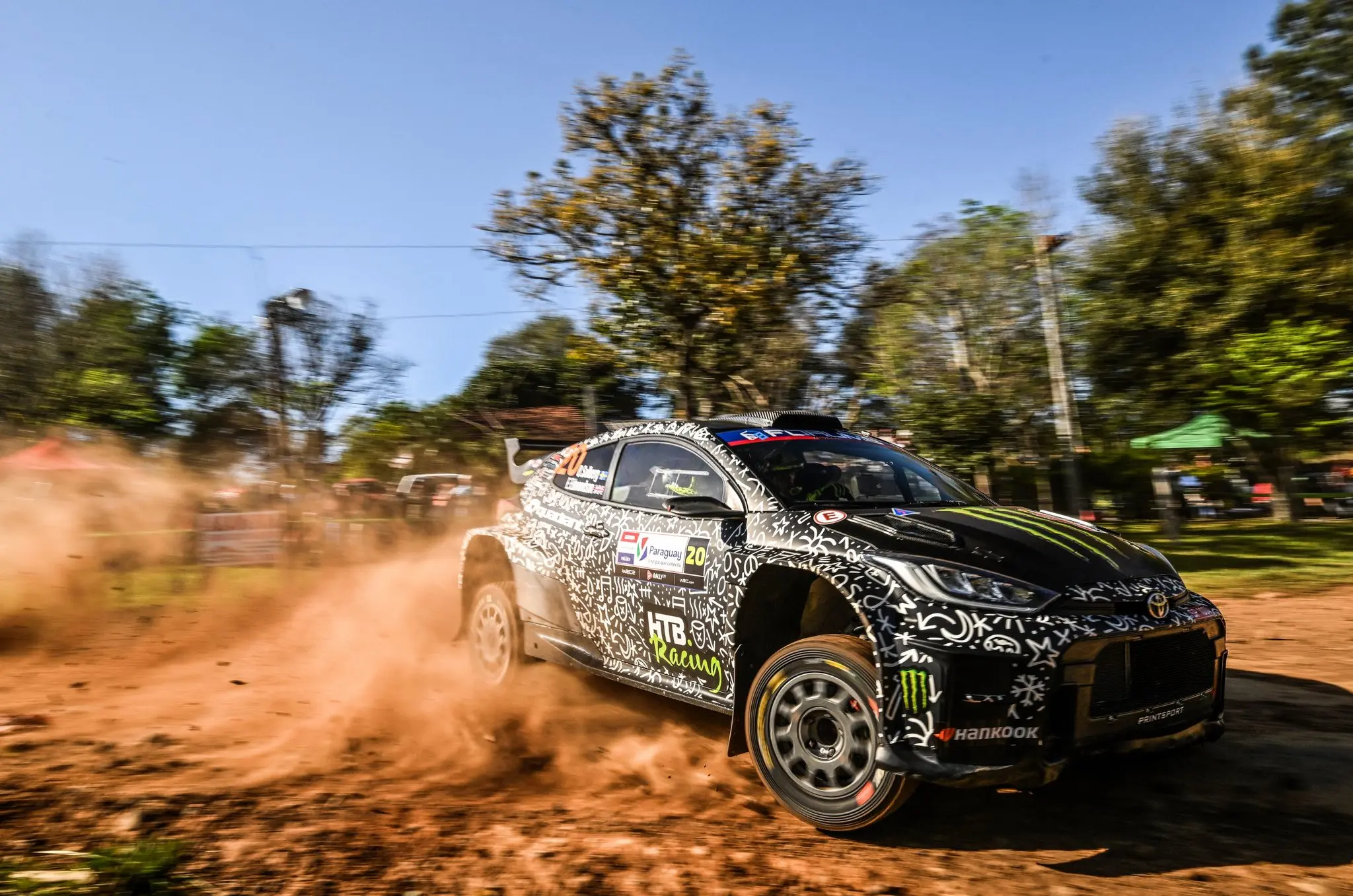
In terms of technical impact, Solberg’s performance may force teams to reconsider strategies and vehicle setups. The WRC has long been a battleground where driver skill and vehicle performance intertwine in delicate balance, but Solberg’s approach challenges the established norms. Hyundai and Toyota will need to analyze his line choices, braking patterns, and cornering tactics in detail, as these insights could inform future car development and race strategies. For teams accustomed to focusing primarily on incremental technical improvements, Solberg’s adaptability presents both an inspiring and daunting variable.
The implications for the 2026 season extend beyond mere competition. Sponsors, media outlets, and rally enthusiasts are already recalibrating their attention, predicting a season where Solberg could consistently disrupt the traditional power dynamics. Social media engagement surrounding the tests skyrocketed the moment clips of his runs went public, demonstrating that his influence is not confined to the track alone. Memes, highlight reels, and expert breakdowns of his performance are circulating widely, elevating his profile to one of the most talked-about figures in motorsport ahead of the official season launch.
Interestingly, the media spotlight on Solberg has ignited fresh debates among WRC pundits about the evolving nature of rally racing. While car innovation and engineering mastery remain critical, the emerging narrative emphasizes driver versatility as an equally decisive factor. Solberg’s natural rhythm, instinctive adjustments mid-race, and ability to extract peak performance from every corner suggest that the next season could witness a shift in focus — from purely technical advancements to a more holistic appreciation of driver impact.
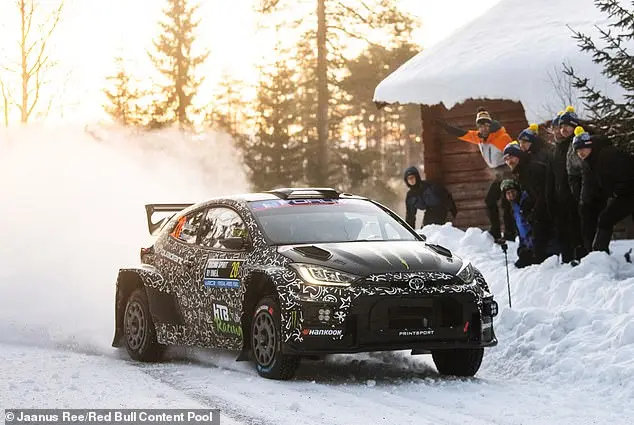
Despite the hype, both Hyundai and Toyota continue to push forward aggressively. Hyundai’s engineers have reported success in stabilizing chassis dynamics under high-speed conditions, while Toyota’s team highlights improved traction and corner exit efficiency. These improvements are vital, as the WRC remains a grueling test of endurance, precision, and resilience across diverse terrains and unpredictable weather conditions. Yet, the presence of a driver like Solberg introduces an unpredictable element that could redefine competitive balance, making the season more compelling than anyone anticipated.
Fans, experts, and insiders are unanimous in one prediction: the 2026 WRC season promises unprecedented excitement. With Hyundai and Toyota advancing their engineering frontiers and Solberg emerging as a standout contender, the stage is set for dramatic showdowns, unexpected podiums, and perhaps, the rise of a new rally legend. As teams prepare their vehicles, strategies, and media campaigns, all eyes will remain on Solberg — the young driver who managed to captivate the rally world while the giants of automotive engineering were still busy perfecting their machines.

In conclusion, the testing sessions have provided a tantalizing glimpse into what lies ahead. Hyundai and Toyota’s breakthroughs signal a competitive season driven by innovation, while Oliver Solberg’s emergence as a force to be reckoned with injects a layer of unpredictability and excitement that fans crave. Motorsport enthusiasts around the globe are now eagerly awaiting the opening rallies, anticipating a season that will not only test cars and drivers but also challenge assumptions, redefine rivalries, and showcase the extraordinary intersection of human skill and technological advancement.
If the early indicators hold true, 2026 may well be remembered as the year a young driver rewrote the narrative of the WRC, ensuring that every lap, corner, and finish line will be watched with bated breath.